When Do You Need a 90-Day Cash-Flow Forecast?
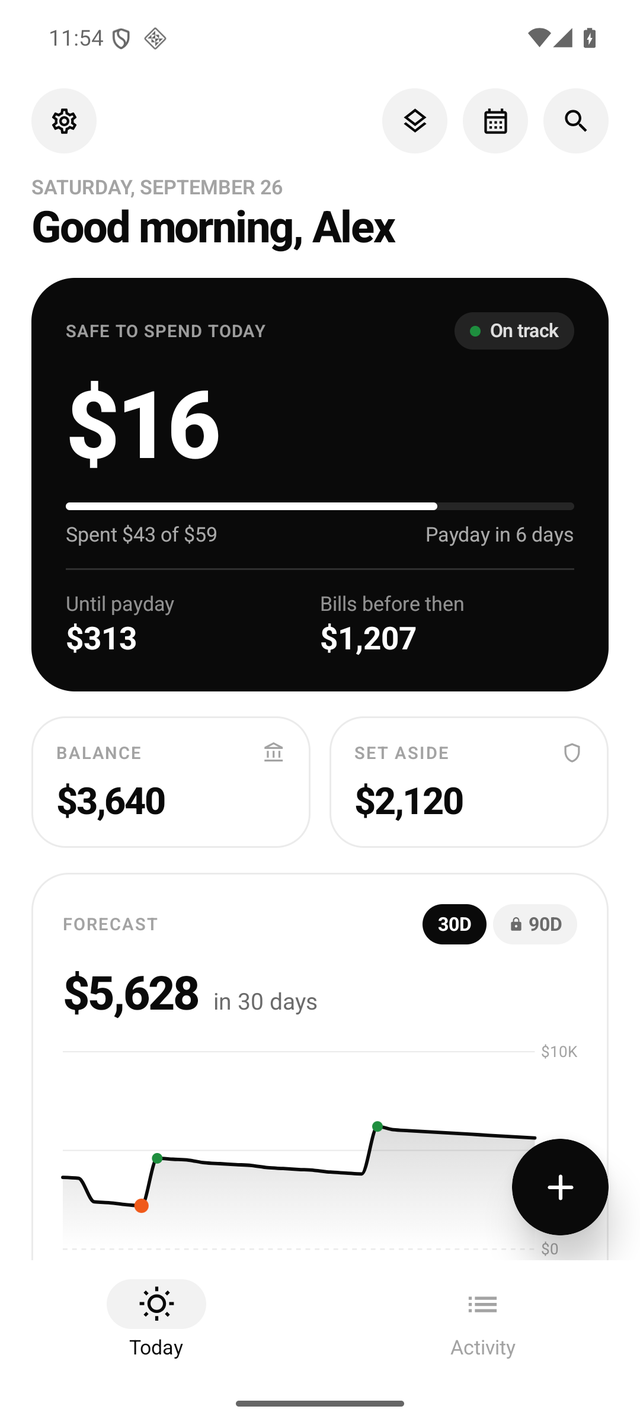
A 30-day forecast fits near-term decisions such as next week’s bill, the next payday or an upcoming purchase. A 90-day forecast helps when the plan has milestones further apart: quarterly renewals, tuition, insurance, a trip or a saving goal that must be funded across several pay cycles.
Flowjar Pro includes a 90-day horizon according to the current product description. A more distant number is not automatically more accurate. It shows the consequences of the dates and amounts you entered, so distant assumptions need clearer labels and more frequent review.
Prepare data for a longer forecast
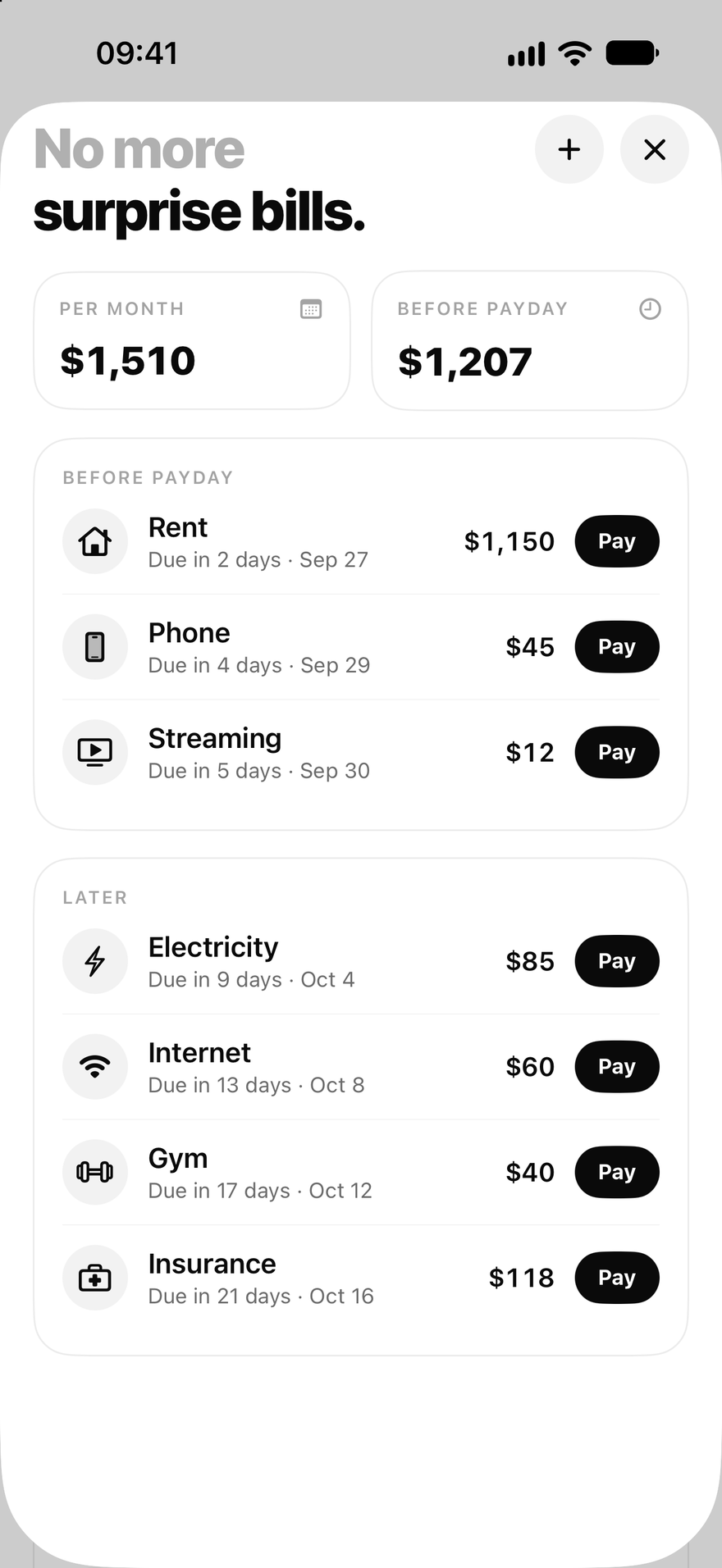
Start with income dates, a cautious income amount, recurring bills and known one-time expenses. Separate certain amounts from changeable ones. For irregular income, create a low scenario and a usual scenario. For an expense without a final bill, record how you estimated it.
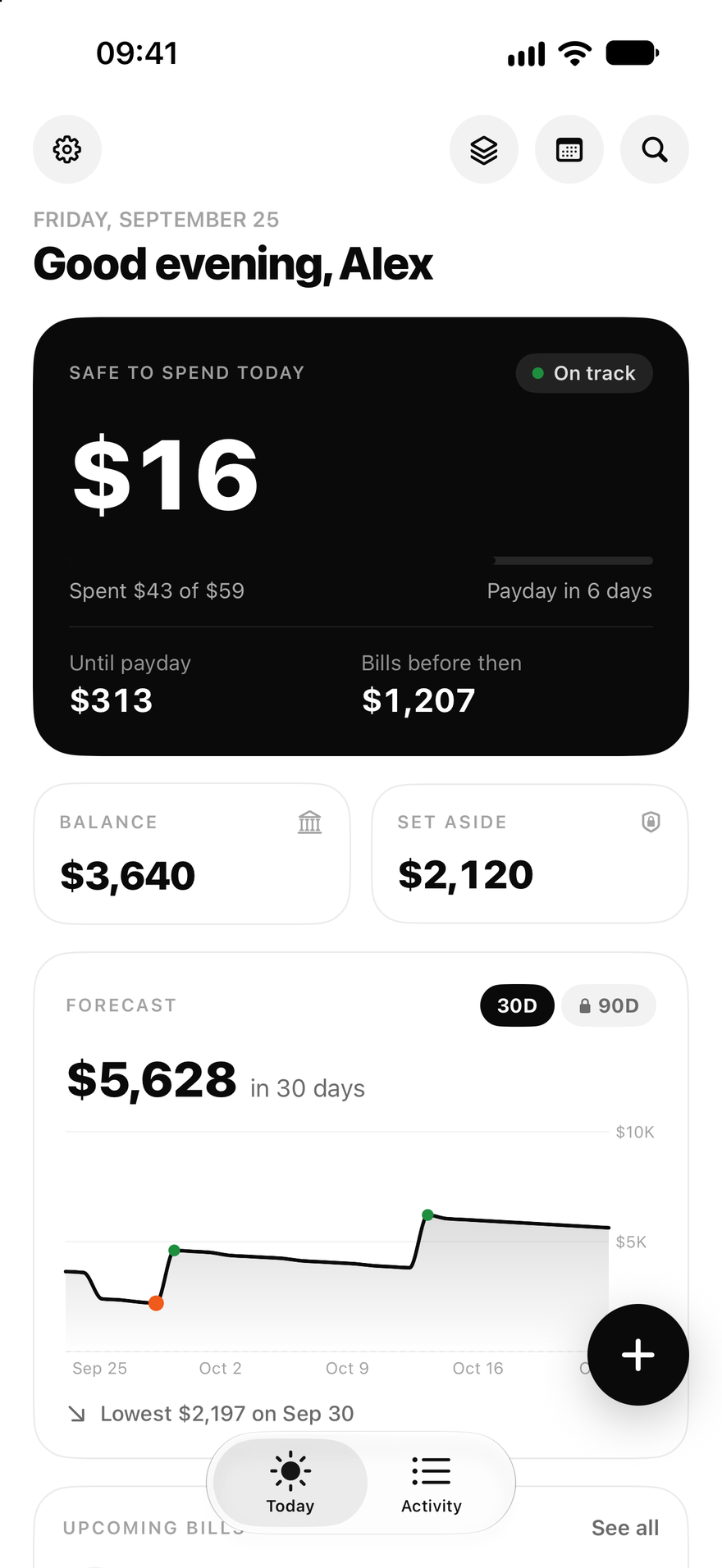
After building the forecast, review the lowest points by month, not only the final balance. A month with an insurance payment and a month with a trip can create different pressure. When adding a new expense, see which goal or buffer it moves further away.
Review it every week
Update the actual balance, mark bills as paid and add major movements each week. If the forecast changes, find the cause before editing a total number. A 90-day view is a map for asking “what if?”, not a certainty.
Use it to prepare early, keep a buffer and discuss risky decisions with a professional. See Flowjar.
Do not read the forecast as a prophecy
Far-out results can change because of pay dates, bills, exchange rates, fees or unexpected spending. When an amount changes, update the assumption and review the schedule instead of looking only at the final 90-day balance. You can create a base and cautious scenario and see which preparation comes first.
For loans, investments or large commitments, use the forecast as a question for a professional conversation. It can show what to ask, but it does not replace a contract, official spreadsheet or current information from the other party.
Note: The forecast depends on the data you enter. Flowjar does not provide financial advice.
A practical workflow for this topic
When you search for “When Do You Need a 90-Day Cash-Flow Forecast?”, the useful answer is usually a repeatable way to check the detail that matters. Use this Flowjar guide as a starting point, then confirm the current source before acting. The product can organize information and shorten a review; it cannot fill in missing facts or replace a professional decision.
Quick checklist before you act
- Choose the time window you are planning for.
- Record income, bills and set-aside money before judging a daily limit.
- Compare the forecast with the lowest point and upcoming obligations.
- Recheck the plan after a bill, payday or large purchase changes.
Keep the decision traceable: record the version, date and source you relied on when the detail may change.
Detailed step-by-step workflow
This extended section turns “When Do You Need a 90-Day Cash-Flow Forecast?” into a repeatable Flowjar workflow. The goal is not to create a longer checklist for its own sake. It is to make the important inputs visible, show what should be checked first, and leave a useful record of what was known at the time. That approach is especially helpful for cash-flow planning, bills, savings and a safe-to-spend decision. Read the steps in order the first time, then return to the relevant step when the situation changes.
Step 1: Define the question and the record you need.
Start with this action in Flowjar, then pause long enough to verify the result against the original source or observation. For “When Do You Need a 90-Day Cash-Flow Forecast?”, record the date, the relevant context and anything that was not available. A structured record is more useful when another person can understand what was checked without guessing what happened between two screenshots, notes or exports.
Step 2: Gather the original inputs before interpreting the result.
Start with this action in Flowjar, then pause long enough to verify the result against the original source or observation. For “When Do You Need a 90-Day Cash-Flow Forecast?”, record the date, the relevant context and anything that was not available. A structured record is more useful when another person can understand what was checked without guessing what happened between two screenshots, notes or exports.
Step 3: Review the result and record uncertainty or missing data.
Start with this action in Flowjar, then pause long enough to verify the result against the original source or observation. For “When Do You Need a 90-Day Cash-Flow Forecast?”, record the date, the relevant context and anything that was not available. A structured record is more useful when another person can understand what was checked without guessing what happened between two screenshots, notes or exports.
Step 4: Save the version, date and next action for later comparison.
Start with this action in Flowjar, then pause long enough to verify the result against the original source or observation. For “When Do You Need a 90-Day Cash-Flow Forecast?”, record the date, the relevant context and anything that was not available. A structured record is more useful when another person can understand what was checked without guessing what happened between two screenshots, notes or exports.
Quality checks and common mistakes
Long-form guidance is most useful when it explains the boundaries as well as the happy path. Before relying on a Flowjar record, run the checks below. They help separate a missing input from a negative result, an approximate value from a verified value, and a convenient summary from the original evidence.
Check 1
Do not start with the conclusion. Write down the question, the person or property involved and the time period first. In Flowjar, keep the source, context and limitation close to the record so the next review can reproduce the decision.
Check 2
Do not mix old and new records without a date. Keep the original observation visible when you add a correction or update. In Flowjar, keep the source, context and limitation close to the record so the next review can reproduce the decision.
Check 3
Do not treat a missing field as proof that the event, ingredient, expense or condition does not exist. In Flowjar, keep the source, context and limitation close to the record so the next review can reproduce the decision.
Check 4
Do not share a polished summary before checking the original image, note, label, receipt or export behind it. In Flowjar, keep the source, context and limitation close to the record so the next review can reproduce the decision.
Check 5
Do not use an app record as a substitute for a professional, medical, legal, financial or safety decision when the situation requires one. In Flowjar, keep the source, context and limitation close to the record so the next review can reproduce the decision.
Frequently asked questions
What should I verify before I rely on this guide?
For “When Do You Need a 90-Day Cash-Flow Forecast?”, use Flowjar to organize the observation and then verify the part that affects the decision. If a source, image, measurement or input is incomplete, mark it as incomplete instead of silently filling the gap. Add a date and a short note about the method used. When the consequence is important or the question sits outside the product’s purpose, confirm it with the current official source or an appropriate professional.
What should I do when the information is incomplete?
For “When Do You Need a 90-Day Cash-Flow Forecast?”, use Flowjar to organize the observation and then verify the part that affects the decision. If a source, image, measurement or input is incomplete, mark it as incomplete instead of silently filling the gap. Add a date and a short note about the method used. When the consequence is important or the question sits outside the product’s purpose, confirm it with the current official source or an appropriate professional.
How can I make the record easier to compare later?
For “When Do You Need a 90-Day Cash-Flow Forecast?”, use Flowjar to organize the observation and then verify the part that affects the decision. If a source, image, measurement or input is incomplete, mark it as incomplete instead of silently filling the gap. Add a date and a short note about the method used. When the consequence is important or the question sits outside the product’s purpose, confirm it with the current official source or an appropriate professional.
When should I ask for another source or a specialist?
For “When Do You Need a 90-Day Cash-Flow Forecast?”, use Flowjar to organize the observation and then verify the part that affects the decision. If a source, image, measurement or input is incomplete, mark it as incomplete instead of silently filling the gap. Add a date and a short note about the method used. When the consequence is important or the question sits outside the product’s purpose, confirm it with the current official source or an appropriate professional.
A practical review before you finish
Before closing this topic, read the title “When Do You Need a 90-Day Cash-Flow Forecast?” as a question rather than a promise. Confirm the current version of the information, check the original evidence, and record the next action in Flowjar. A useful record says what was observed, when it was observed, what remains uncertain and who should review it next. This makes the article easier to apply today and easier to revisit when the facts change.
See the product in action
Related guides
Check Flowjar Data Before Trusting a Forecast
Use this checklist to verify balances, dates, bills, income and transactions before relying on a Flowjar forecast.
How to Read the Lowest Point in a Balance Forecast
Learn how to interpret the lowest point in a Flowjar forecast, check bill dates and adjust your buffer carefully.
Why a Budget Forecast Is Not a Promise About the Future
Read a Flowjar forecast within its limits: assumptions, missing data, scenarios, low points and checks before action.
Feature walkthroughs
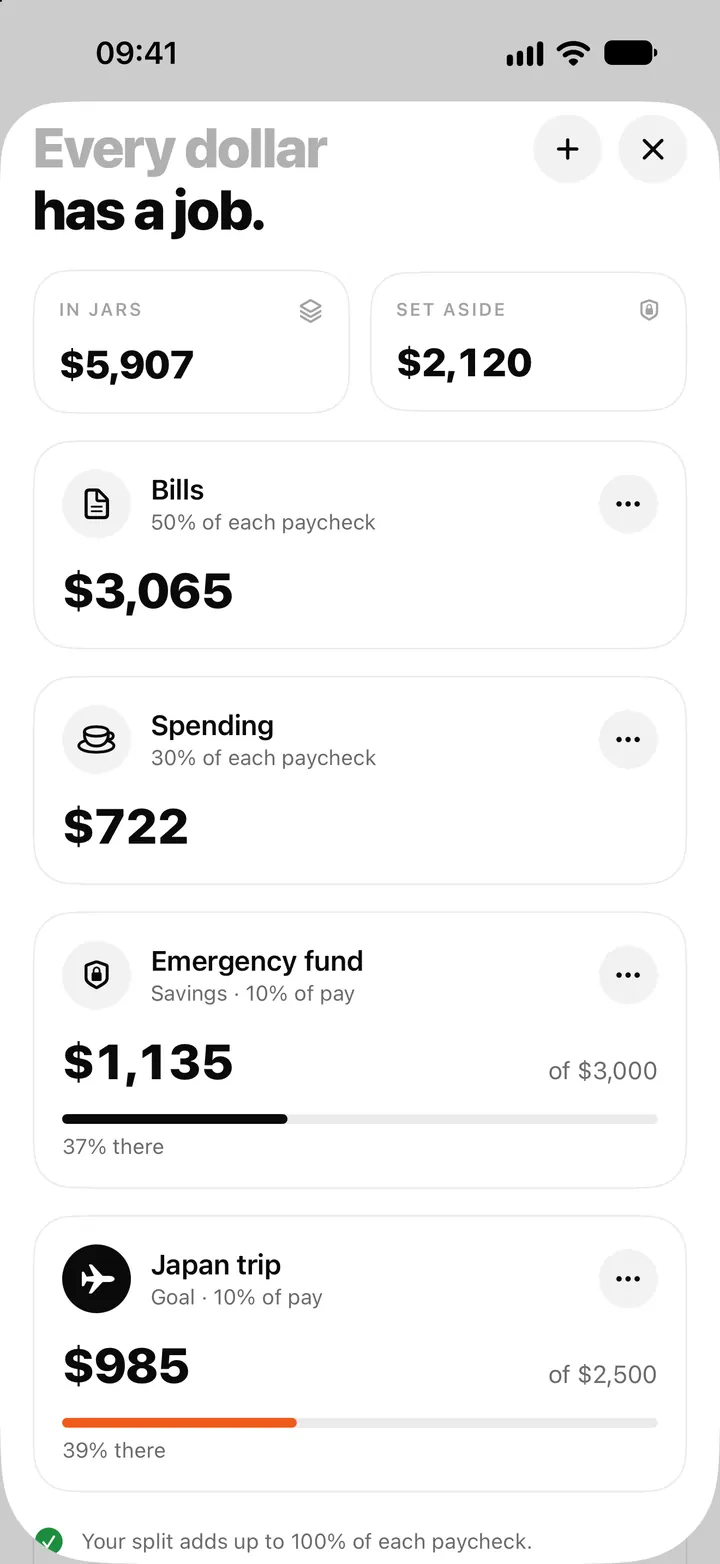
Money jars in Flowjar: split each paycheck into bills, spending and savings
Flowjar splits each paycheck across jars for bills, spending, savings and goals. Learn the four jar types, how shares work and what each does to Safe to spend.
Read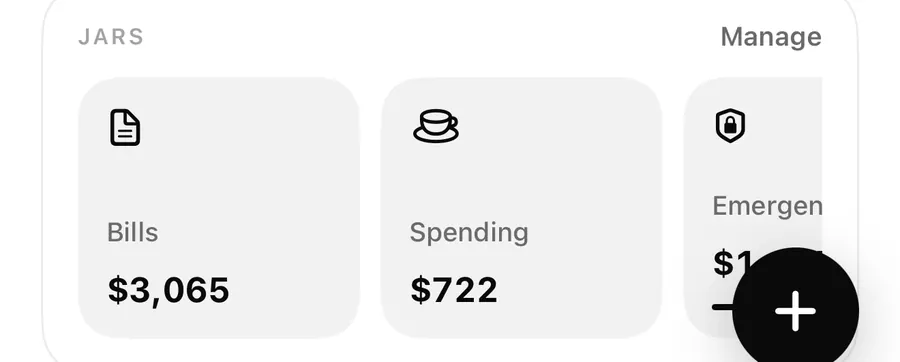
Fill my jars: log your paycheck and split it on payday in Flowjar
Flowjar never logs your paycheck by itself. On payday, add it as income with Fill my jars on and it is shared across your jars. Here is how, plus side income.
Read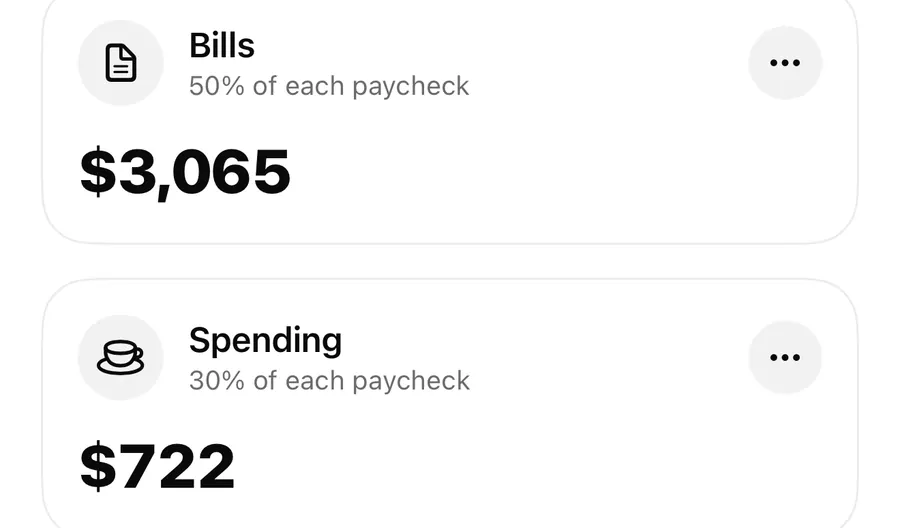
Move money between jars in Flowjar: Add to jar, Take out and Paid from jar
Move money in or out of a Flowjar jar, pick which jar an expense is paid from, and see what each move does to your balance, Set aside and Safe to spend.
Read