Which Debt Should You Prioritise First?
There is no universal answer to “which debt should I pay first?” Interest, fees, balances, due dates, late-payment consequences, collateral and income all matter. Flowjar can organise payments and model cash flow, but it does not replace debt advice or an agreement with a lender.
Protect minimum payments first
List every debt with its minimum payment, due date, interest, fees and current status. Avoiding a required payment, protecting essential needs and keeping a reasonable buffer come before making an extra payment. Paying one debt faster while another becomes overdue can create larger fees or consequences. If you are struggling, contact the lender early and ask about official options.
Compare common approaches
The debt avalanche usually targets the highest interest rate first to reduce long-term cost. The debt snowball targets the smallest balance first to create visible progress. Both have trade-offs; behaviour, fees and the real contract matter more than the name of the method. Check local rules and early-repayment terms before applying a general strategy.
Model a schedule in Flowjar
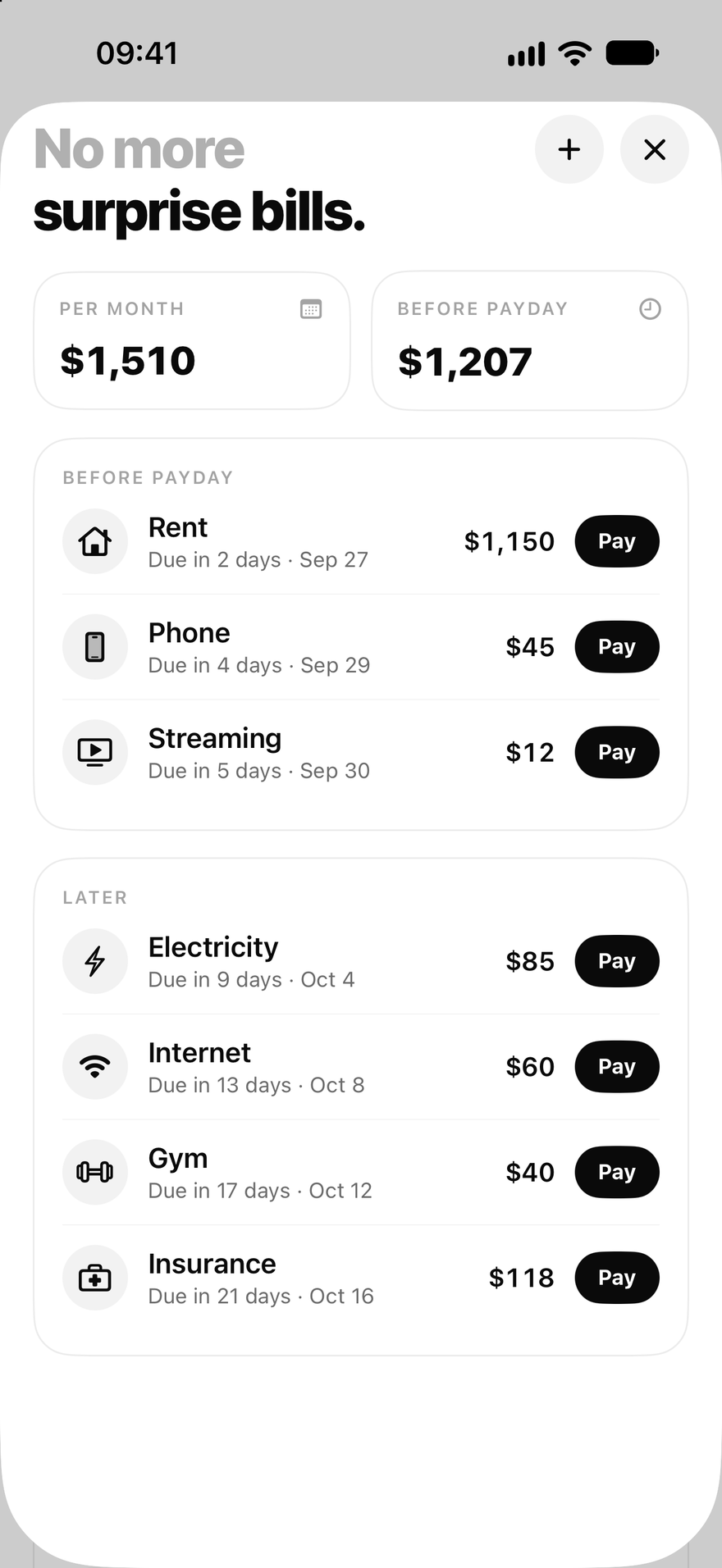
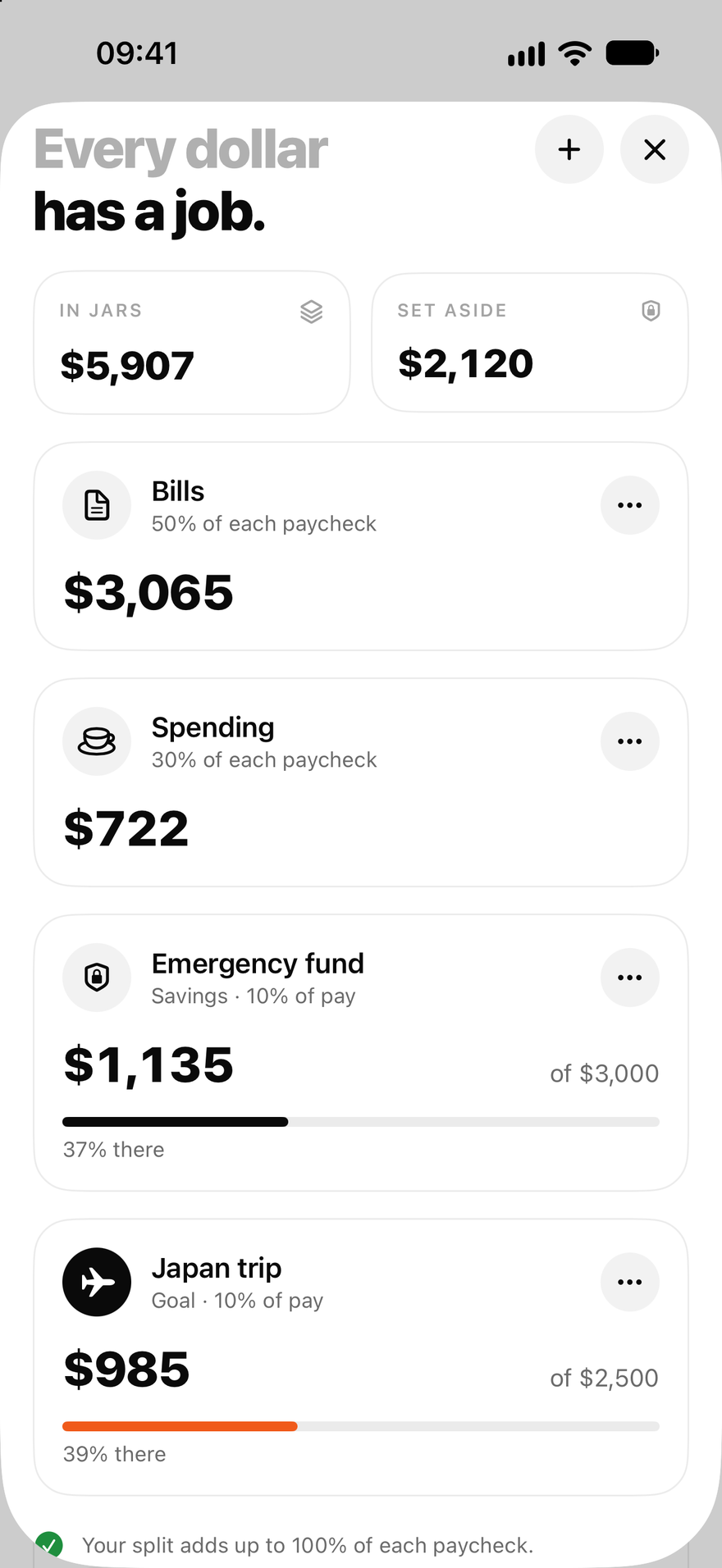
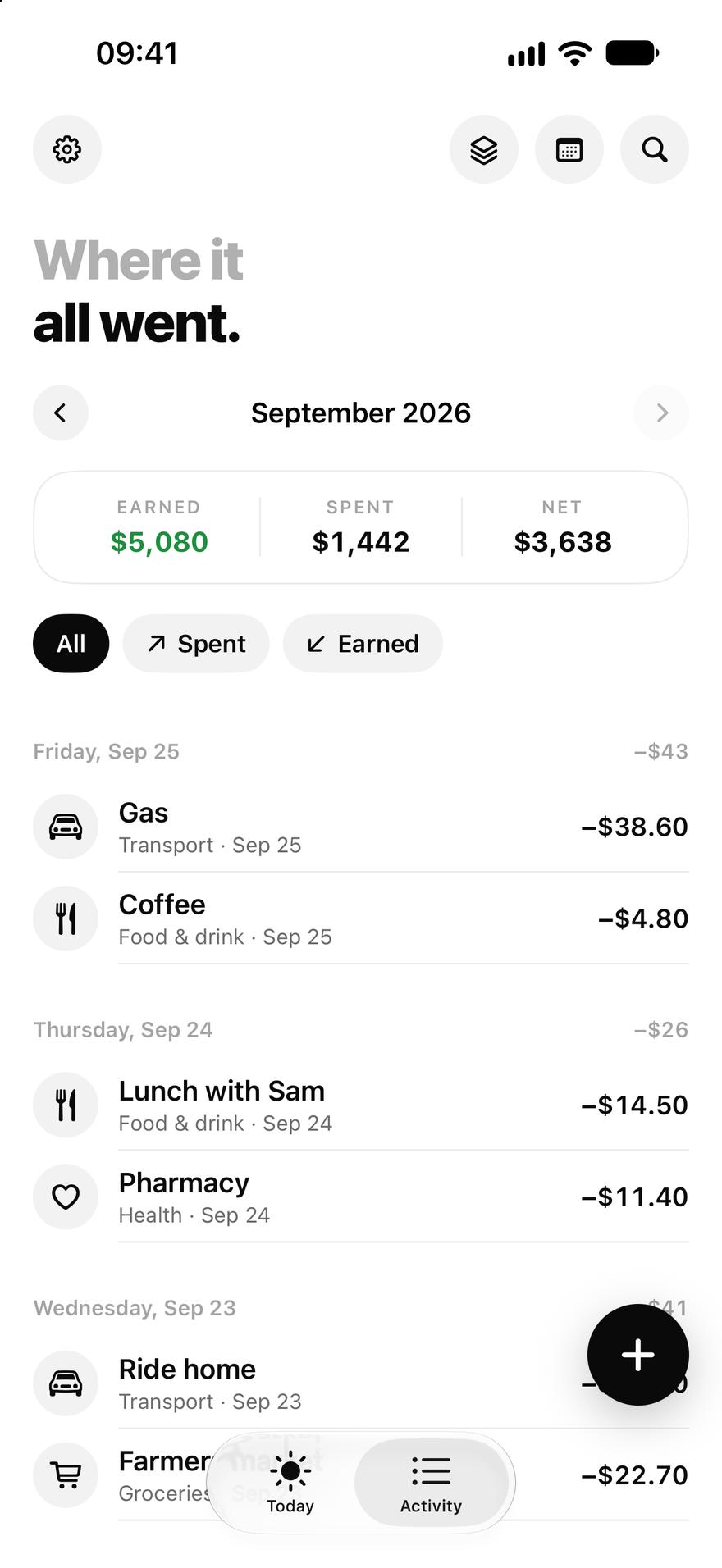
Enter bills, payment dates, income and a debt goal or jar in Flowjar. See Flowjar. Test what happens when the extra payment changes: where is the low point, how much buffer remains, and which other goal slows down? Use an amount you can maintain, not unreceived income or money needed for essentials.
When a balance falls, update the balance, rate and due date and record any new fee or agreement. If debt affects housing, health or basic needs, seek appropriate support. An app can show a schedule; it cannot negotiate or decide for you.
Note: This article is educational. Flowjar does not provide a personalised debt plan or financial advice.
A practical workflow for this topic
When you search for “Which Debt Should You Prioritise First?”, the useful answer is usually a repeatable way to check the detail that matters. Use this Flowjar guide as a starting point, then confirm the current source before acting. The product can organize information and shorten a review; it cannot fill in missing facts or replace a professional decision.
Quick checklist before you act
- Choose the time window you are planning for.
- Record income, bills and set-aside money before judging a daily limit.
- Compare the forecast with the lowest point and upcoming obligations.
- Recheck the plan after a bill, payday or large purchase changes.
Keep the decision traceable: record the version, date and source you relied on when the detail may change.
Detailed step-by-step workflow
This extended section turns “Which Debt Should You Prioritise First?” into a repeatable Flowjar workflow. The goal is not to create a longer checklist for its own sake. It is to make the important inputs visible, show what should be checked first, and leave a useful record of what was known at the time. That approach is especially helpful for cash-flow planning, bills, savings and a safe-to-spend decision. Read the steps in order the first time, then return to the relevant step when the situation changes.
Step 1: Define the question and the record you need.
Start with this action in Flowjar, then pause long enough to verify the result against the original source or observation. For “Which Debt Should You Prioritise First?”, record the date, the relevant context and anything that was not available. A structured record is more useful when another person can understand what was checked without guessing what happened between two screenshots, notes or exports.
Step 2: Gather the original inputs before interpreting the result.
Start with this action in Flowjar, then pause long enough to verify the result against the original source or observation. For “Which Debt Should You Prioritise First?”, record the date, the relevant context and anything that was not available. A structured record is more useful when another person can understand what was checked without guessing what happened between two screenshots, notes or exports.
Step 3: Review the result and record uncertainty or missing data.
Start with this action in Flowjar, then pause long enough to verify the result against the original source or observation. For “Which Debt Should You Prioritise First?”, record the date, the relevant context and anything that was not available. A structured record is more useful when another person can understand what was checked without guessing what happened between two screenshots, notes or exports.
Step 4: Save the version, date and next action for later comparison.
Start with this action in Flowjar, then pause long enough to verify the result against the original source or observation. For “Which Debt Should You Prioritise First?”, record the date, the relevant context and anything that was not available. A structured record is more useful when another person can understand what was checked without guessing what happened between two screenshots, notes or exports.
Quality checks and common mistakes
Long-form guidance is most useful when it explains the boundaries as well as the happy path. Before relying on a Flowjar record, run the checks below. They help separate a missing input from a negative result, an approximate value from a verified value, and a convenient summary from the original evidence.
Check 1
Do not start with the conclusion. Write down the question, the person or property involved and the time period first. In Flowjar, keep the source, context and limitation close to the record so the next review can reproduce the decision.
Check 2
Do not mix old and new records without a date. Keep the original observation visible when you add a correction or update. In Flowjar, keep the source, context and limitation close to the record so the next review can reproduce the decision.
Check 3
Do not treat a missing field as proof that the event, ingredient, expense or condition does not exist. In Flowjar, keep the source, context and limitation close to the record so the next review can reproduce the decision.
Check 4
Do not share a polished summary before checking the original image, note, label, receipt or export behind it. In Flowjar, keep the source, context and limitation close to the record so the next review can reproduce the decision.
Check 5
Do not use an app record as a substitute for a professional, medical, legal, financial or safety decision when the situation requires one. In Flowjar, keep the source, context and limitation close to the record so the next review can reproduce the decision.
Frequently asked questions
What should I verify before I rely on this guide?
For “Which Debt Should You Prioritise First?”, use Flowjar to organize the observation and then verify the part that affects the decision. If a source, image, measurement or input is incomplete, mark it as incomplete instead of silently filling the gap. Add a date and a short note about the method used. When the consequence is important or the question sits outside the product’s purpose, confirm it with the current official source or an appropriate professional.
What should I do when the information is incomplete?
For “Which Debt Should You Prioritise First?”, use Flowjar to organize the observation and then verify the part that affects the decision. If a source, image, measurement or input is incomplete, mark it as incomplete instead of silently filling the gap. Add a date and a short note about the method used. When the consequence is important or the question sits outside the product’s purpose, confirm it with the current official source or an appropriate professional.
How can I make the record easier to compare later?
For “Which Debt Should You Prioritise First?”, use Flowjar to organize the observation and then verify the part that affects the decision. If a source, image, measurement or input is incomplete, mark it as incomplete instead of silently filling the gap. Add a date and a short note about the method used. When the consequence is important or the question sits outside the product’s purpose, confirm it with the current official source or an appropriate professional.
When should I ask for another source or a specialist?
For “Which Debt Should You Prioritise First?”, use Flowjar to organize the observation and then verify the part that affects the decision. If a source, image, measurement or input is incomplete, mark it as incomplete instead of silently filling the gap. Add a date and a short note about the method used. When the consequence is important or the question sits outside the product’s purpose, confirm it with the current official source or an appropriate professional.
A practical review before you finish
Before closing this topic, read the title “Which Debt Should You Prioritise First?” as a question rather than a promise. Confirm the current version of the information, check the original evidence, and record the next action in Flowjar. A useful record says what was observed, when it was observed, what remains uncertain and who should review it next. This makes the article easier to apply today and easier to revisit when the facts change.
See the product in action
Related guides
How to Save While Paying Down Debt
Plan debt payments and a savings buffer with minimum payments, jars and scenarios in Flowjar.
Where Should You Start an Emergency Fund? Turn a Large Goal into Small Steps
Learn what an emergency fund is, how to set staged savings goals, and how to track progress with Flowjar jars.
What is envelope budgeting, and can you use it with Flowjar?
Learn how envelope budgeting assigns money to purposes and how jars, bills and forecasts can work together in Flowjar.
Feature walkthroughs
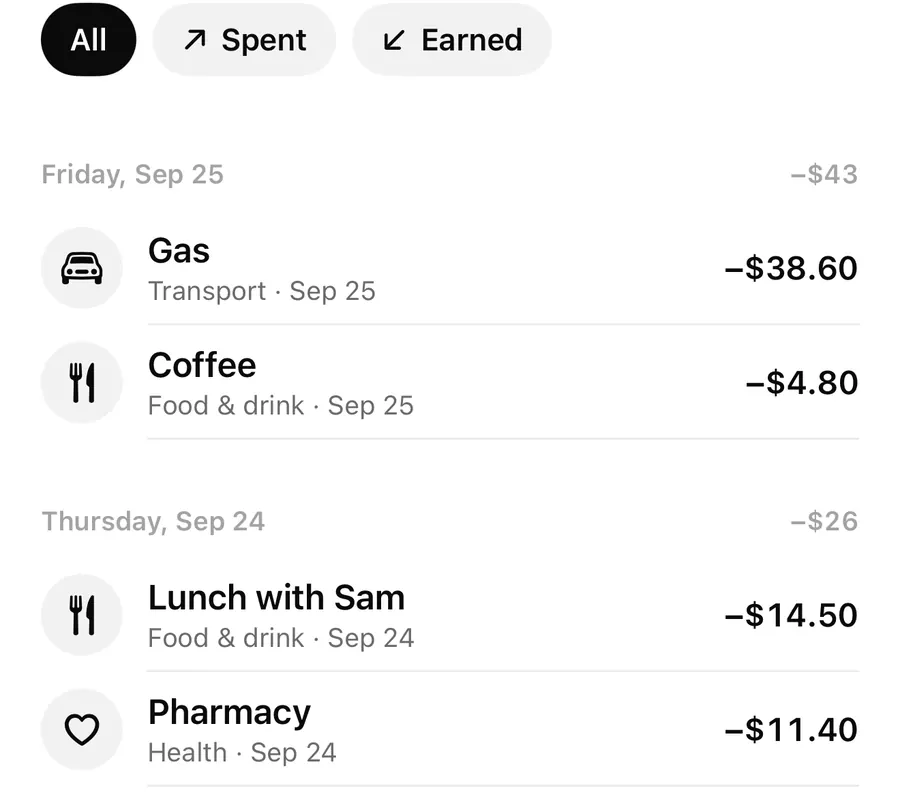
Flowjar privacy: on-device data, Face ID lock and Erase all data
Flowjar keeps your entries, jars and bills on your iPhone with no account or bank login. See how Face ID lock, anonymous usage and Erase all data work.
Read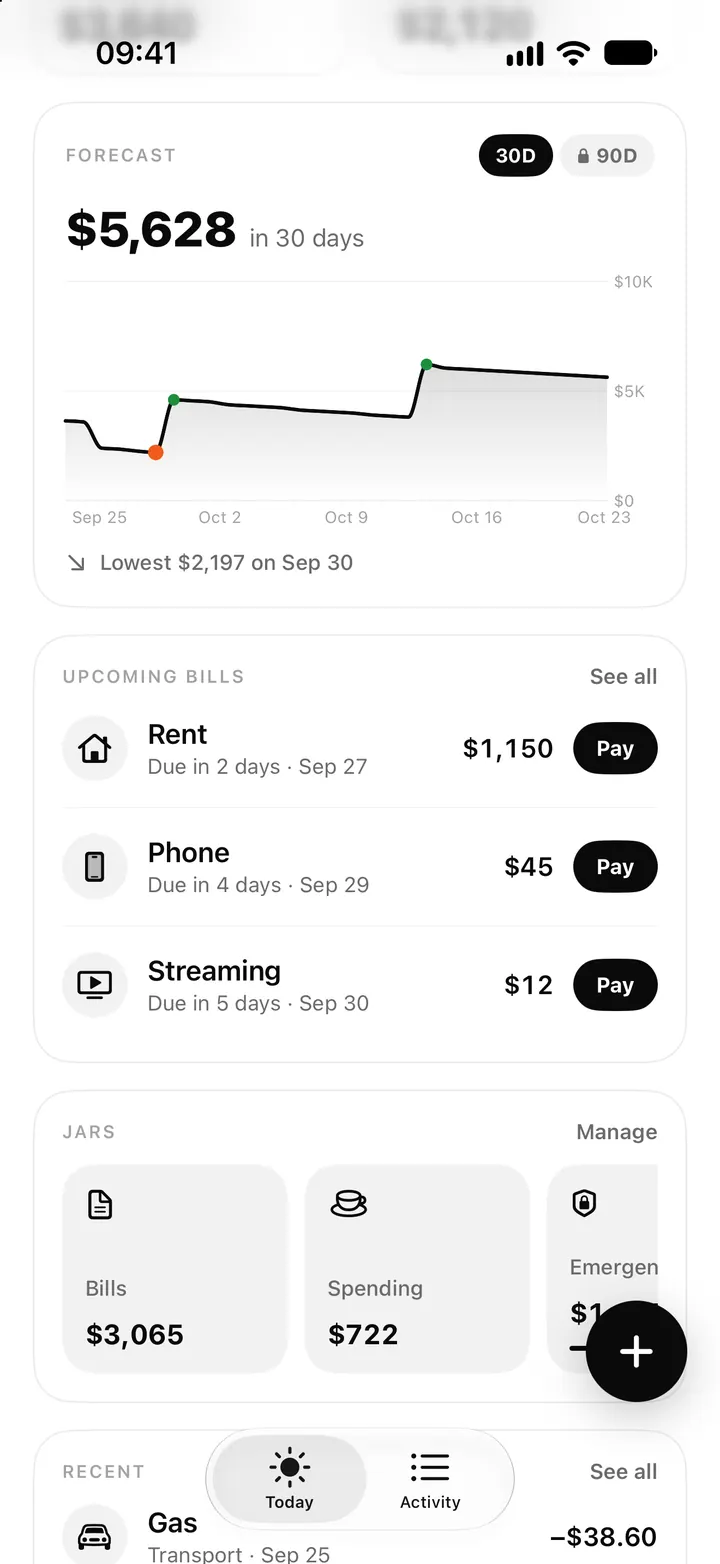
Flowjar Free vs Pro: what's included, the plans and CSV export
Most of Flowjar is free. Flowjar Pro adds a 90-day forecast, unlimited jars and bills, and CSV export. See what each plan includes and what happens if Pro ends.
Read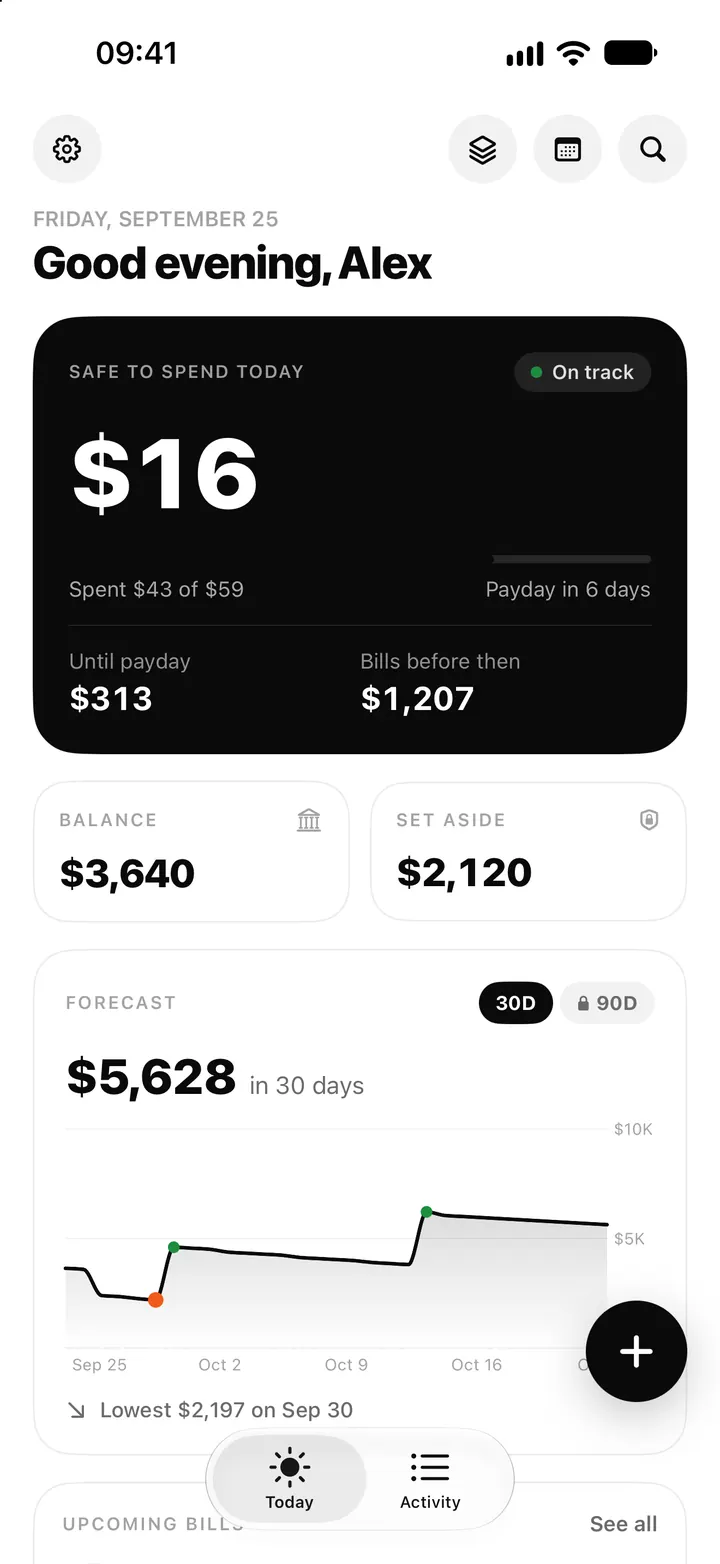
Safe to spend today on iPhone: how Flowjar works out your daily number
Flowjar takes your balance, sets aside savings and bills due before payday, and splits the rest over the days left. Here is how the Safe to spend number works.
Read